
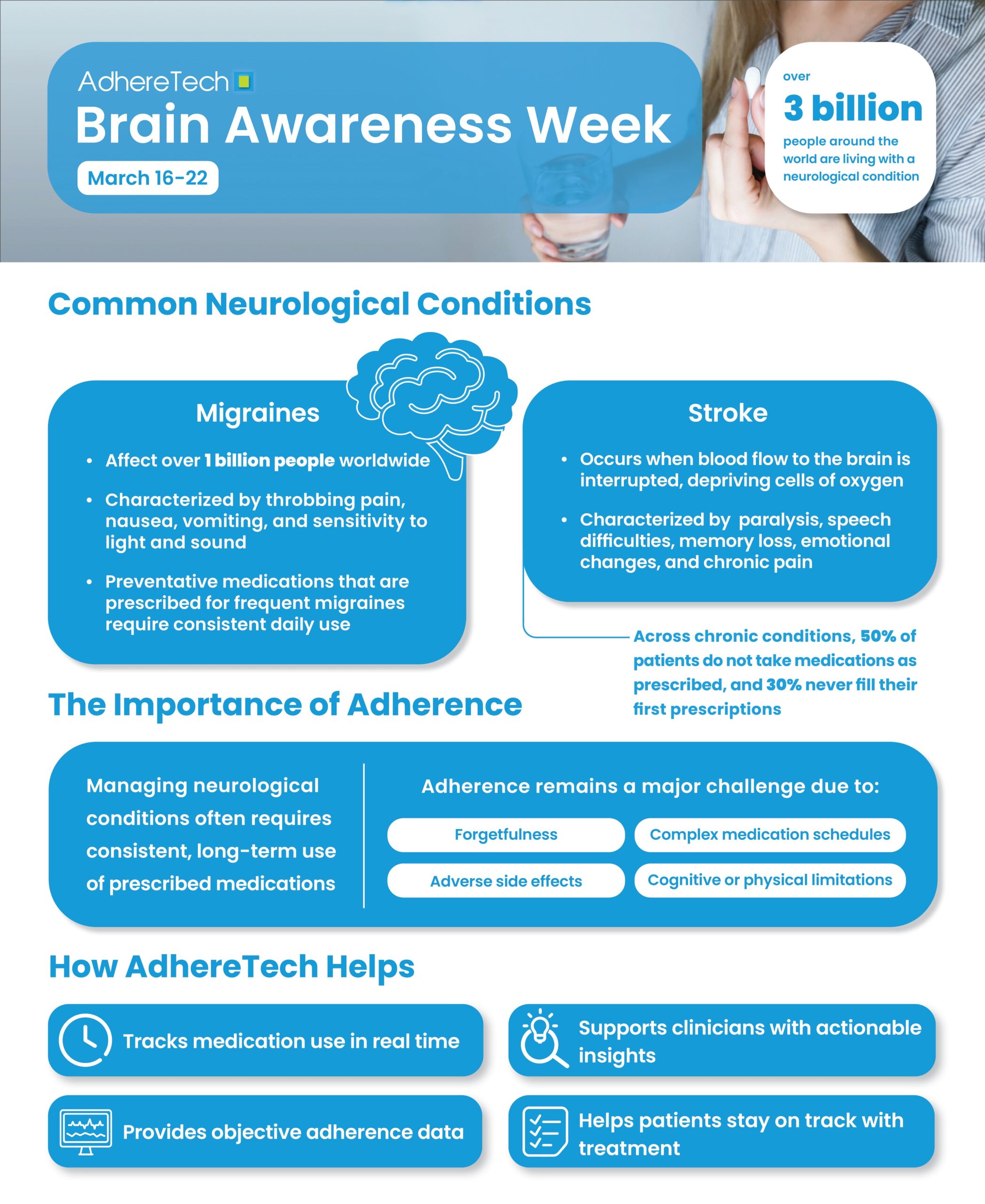
According to the World Health Organization, brain health is defined by an individual’s brain functioning across cognitive, sensory, social, emotional, behavioral, and motor domains – enabling individuals to realize their full potential throughout the duration of their life.1 Brain functioning in each of these domains can be affected by numerous factors – including physical health, environmental health, safety and security, social connections, and quality of healthcare services.1
Focusing on physical health, a variety of factors can negatively affect the brain by disrupting growth, damaging structures, or impairing particular functions.1 These range from congenital disorders, present at birth, to neurodevelopmental and neurological conditions, which can arise at any point across the lifespan and affect individuals of all ages.1 As of 2021, estimates reported that more than 3 billion people worldwide were living with a neurological condition – including, but not limited to, migraines, strokes, epilepsy, and dementia.2 Effectively caring for individuals living with these conditions necessitates patient-centered approaches that combine prevention, treatment, and rehabilitation strategies.
In May of 2022, the World Health Organization (WHO) created an action plan to enhance care, recovery, and well-being for those living with neurological disorders, while simultaneously reducing the associated mortality, morbidity, and disability rates associated with these conditions.1 The plan focuses on three main objectives…1
- Strengthening policies, the delivery of services, health information systems, technology, research, and innovation.1
- Providing technical assistance to create an integrated approach to brain health.1
- Encouraging increased investment and collaboration across different specialities, sectors, and continents.1
Many of the most prevalent neurological conditions – like migraines, stroke, epilepsy, and dementia – are chronic in nature, requiring long-term management, consistent treatment, and sustained patient engagement. Yet, across chronic conditions, adherence rates remain alarmingly low: 50% of patients fail to take their medications as prescribed, and roughly 30% fail to ever fill their first prescription.3, 4 Nonadherence not only jeopardizes patients’ health and increases their risk of hospitalization and disease progression, but it can also significantly reduce quality of life and cost the healthcare system billions annually.3, 5, 6
As global health leaders advocate for stronger health systems, smarter uses of technology, and more integrated models of care,1 adherence emerges as a critical foundation for achieving such progress. By enabling real-time, objective insights into medication-taking behaviors without adding to patient burden, AdhereTech supports WHO’s vision for brain health – enhancing care delivery, informing clinical decision making with data-driven insights, and helping to ensure that treatments intended to protect the brain can achieve their full impact across chronic neurological conditions.
A Scoping Overview of Common Neurological Conditions
Migraines
Across the globe, over 1 billion people experience migraines – an estimated 12% to 15% of the population, or every 1 in 7 people.7, 8 Migraines are defined as severe headaches that cause intense pulsating or throbbing sensations that commonly occur on only one side of the head head), that can be accompanied by nausea, vomiting, and/or an extreme sensitivity to lights or sounds.9 While the root cause of migraines is still not fully understood, it is believed that genetic and environmental factors may play a role, such as imbalances in brain chemicals, including serotonin, and brainstem changes that impact the trigeminal nerve, the pain pathway.9 While the underlying neurological and biological reasons for migraines are still undergoing further exploration, migraine triggers are far better understood.9 For example, hormonal fluctuations, excessive alcohol and caffeine consumption, stress, excessive sensory stimuli, changes in sleep, intense physical strain, weather changes, and certain medications and foods are all factors that can contribute to a migraine.9
Migraines typically occur by progressing through four stages, each of which have different symptoms.9 However, the distinct symptoms and stages of a migraine an individual experiences often vary from person to person. In general, the four stages are outlined as follows ..
- Prodrome: Subtle changes that may serve as warning signals of an impending migraine in the days preceding a migraine.9 Symptoms may include …9
- Constipation
- Mood fluctuations
- Food cravings
- Neck stiffness
- Increased urination
- Fluid retention
- Frequent yawning
- Aura: For some individuals, they experience reversible symptoms before or during their migraine(s).9 Each of these symptoms usually begins slowly and builds over time, extending anywhere from several minutes to an hour. Examples of symptoms individuals commonly report experiencing during an aura include the following (with temporary visual changes being the most common) …9
- Vision loss
- Visual changes (seeing bright lights, flashes of light, or shapes in vision)
- Feeling of pins and needles in arms and/or legs
- Weakness or numbness in the face, or one side of the body
- Difficulty speaking
- Visual
- Attack: An attack is the period in which the migraine, and its associated symptoms, occurs.9 If untreated, migraines may last anywhere from 4 to 72 hours, although this duration varies significantly from person to person.9 Migraines can occur frequently or sporadically – once again, the frequency of attack differs from person to person.8 During an attack, individuals may experience …9
- Pain on side of the head
- Pulsating or throbbing pain
- Nausea and vomiting
- Sensitivity to lights, sounds, smells, and touches
- Postdrome: This stage occurs after the migraine attack has subsided. Many individuals report feeling drained, confused, and/or tired – although elation can occur as well.9 Oftentimes, sudden head movements can bring back similar pain sensations that the individual experienced during their attack.9
Despite being the sixth most disabling condition worldwide, many individuals living with migraines remain untreated.10 While non-medicinal approaches to migraine treatment exist, such as reducing/preventing triggers by modifying one’s lifestyle accordingly, medication can be transformative for both acute and preventative intervention.11
For instance, when taken upon the initial signs of a migraine, medications including triptans, geptans, ditans, etc., can help to reduce or stop migraine symptoms in real-time – offering nearly immediate relief.12 Despite these medications being used on an infrequent basis, their effectiveness is largely dependent on timely use.12 Delayed administration, skipping a dose despite the onset of symptoms, and/or inconsistently taking these medications upon the onset of migraine symptoms can all diminish the medication’s therapeutic effects, failing to reduce the severity and length of the attack.
For those who suffer from severe and/or frequent migraine attacks, preventative medications may be prescribed – such as antiseizure medications, beta-blockers, antidepressants, calcium channel blockers, and monoclonal antibodies.12 Notably, the majority of these medications require consistent, daily dosing over extended periods of time to achieve an optimal therapeutic dose and maintain efficacy,13, 14, 15, 16 making adherence essential to their success.While human forgetfulness can result in unintentional nonadherence,17 the preventative nature of these medications poses a series of additional challenges to achieving sustained adherence – particularly given their daily dosing frequency, unpleasant side effects, and the fluctuating symptom burden associated with migraines.18 Furthermore, even after reaching a beneficial dose of a preventative medication, it can take two to three months for patients to experience perceivable benefits,19 such as a reduction in the frequency and/or severity of their migraines.
Strokes
A stroke occurs when blood flow to the brain is interrupted, depriving the brain’s cells of necessary oxygen and nutrients.20 After mere minutes of such deprivation, cell death begins to occur, which can lead to permanent brain damage and death.20 There are two main types of stroke, which includes an ischemic stroke, accounting for an estimated 90% of all strokes, and a hemorrhagic stroke.20, 21
Ischemic: Ischemic strokes are caused by the narrowing or blockage of blood vessels.21 This can either result from fatty deposits slowly accumulating within the blood vessels, or, blood clots/debris traveling through the blood stream and becoming lodged within the brain’s blood vessels.21 A subcategory of ischemic strokes includes transient ischemic attacks, in which there is a temporary reduction in blood supply to the brain.21 Due to the limited time period of such attacks, they do not cause permanent damage, but they increase one’s risk of having a stroke later on.21
Hemorrhagic: A hemorrhagic stroke occurs when a brain’s blood vessels begin to leak or rupture, causing bleeding within the brain.21
According to the World Stroke Organization, over 100 million people have experienced a stroke, and approximately half have died as a result.22 For those who survive a stroke, the consequences can be significant, resulting in temporary or permanent disabilities.21 The severity and type of complications depend largely on how long blood flow to the brain was reduced and which regions of the brain were affected.21 Complications occurring after a stroke can include any of the following:
- Loss of muscle movement (paralysis): Individuals may experience full paralysis on one side of their body or in specific muscles.21
- Trouble talking or swallowing: In some cases, a stroke can impair the brain areas responsible for muscle functionality in one’s mouth and throat.21 For some, this can make it difficult to swallow or eat normally.21 In other cases, some individuals may struggle with language, having difficulty speaking clearly or understanding spoken language.21
- Memory loss: Memory loss is a fairly common symptom resulting from a stroke, with some individuals also experiencing additional cognitive impairments – including trouble thinking, reasoning, making judgements, and/or understanding concepts.21
- Emotional symptoms: Individuals who have experienced a stroke may struggle with emotional regulation, or be at an increased risk of becoming depressed.21
- Pain: Pain, sensations of numbness, or other uncomfortable feelings may occur in parts of the body corresponding with brain regions impacted by the stroke.21
- Behavioral changes: Individuals who experience a stroke may become more withdrawn and need additional assistance with daily living activities.21
Evidently, for individuals who survive a stroke, recovery extends beyond acute care into rehabilitation, where the primary focus shifts to addressing the underlying causes of the event and preventing secondary stroke.23 Depending on the type of stroke and its cause, post-stroke management often includes medications to reduce blood clot formation, lower cholesterol levels, and control blood pressure.23 Long-term success depends heavily on sustained behavioral changes and consistent medication adherence.24 However, the cognitive, emotional, and physical impairments that can occur following a stroke may all make these behaviors exceptionally difficult to maintain over time, which may increase the risk of recurrent events.21, 24 Consequently, effective rehabilitation must not only promote physical recovery but also adherence behaviors and lifestyle changes essential for long-term stroke prevention.24, 25
Anticoagulant Medications
Anticoagulants are a class of blooding thinning medications that decrease the blood’s ability to clot – breaking down existing clots and preventing new clots from forming.23, 26 Warfarin is one of the commonly prescribed anticoagulant medications.26 Warfarin is a vitamin K antagonist, and in simple terms, it works by blocking the body’s use of vitamin K, which is an essential component of the blood clotting process.26 While often highly effective, warfarin requires careful dosing to prevent potentially life-threatening complications.26
According to clinical guidelines, warfarin dosing schedule is most commonly prescribed as a once-daily in the evening.27 While occasionally forgetting to take warfarin does not pose any imminent dangers, forgetting to take it on a regular basis can have negative impacts, increasing blood thickness, and subsequently, increasing the risk of blood clots.27 On the flip side, taking too much warfarin puts individuals at risk of serious bleeding, making it vital patients do not take extra dosages, even after a forgotten on.27 The associated side effects and stringent dosing requirements for warfarin can pose significant barriers to adherence – which may explain why one study found 56% of warfarin users had poor adherence rates.28
Antiplatelet Medications
Antiplatelet medications are another class of blood thinning medications that help to prevent the formation of blood clots.23 Operating via a different mechanism than anticoagulants, antiplatelets decrease blood platelet’s ability to stick together, which is the first step in blood clot formation.23, 29
Similar to anticoagulants, antiplatelet medications, especially antiplatelet aspirin, have been associated with high risk of internal bleeding.29 A recent study from the Journal of the American Heart Association reported a 20% increase in gastrointestinal bleeding risk with combining 1 antiplatelet agent and a 45% increased risk with 2 antiplatelet agents over a singular anticoagulant medication alone.30 Patients concern and/or experience with this particular side effect may reduce their adherence.31
Furthermore, a systematic review from 2024 found that general forgetfulness was a commonly reported reason for nonadherence in stroke patients prescribed antiplatelet medications.31
Statins
Statins are often prescribed to reduce high cholesterol levels, preventing cholesterol from building up along the artery walls and forming plaque.23 Statins block HMG-CoA reductase, an enzyme necessary for making cholesterol, reducing the body’s overall production of cholesterol, and subsequently, reducing overall build-up.23 Each statins LDL (“bad”) cholesterol lowering ability determines its intensity, with categories ranging from low – reductions in LDL of less than 30% – to high – reductions in LDL over 50%.32
For patients who have experienced a stroke with high cholesterol levels, high intensity statins are often the prescribed, unless tolerance or safety issues arise.32 High intensity statins include rosuvastatin, at a 20-40mg dosage, and atorvastatin, at a 40-80mg dose.32 Rosuvastatin has been found to have the greatest effect on cholesterol levels,32 making it one of the first lines of treatment for lowering cholesterol in individuals at high risk of a stroke or recovering from a stroke. Its once daily dosing regimen, reduced risk of side effects (when compared with other statins), and availability in various oral formulations,32 may all help to support sustained adherence.
The other high intensity statin, atorvastatin, is one of the most heavily prescribed medications in the United States.32 Like rosuvastatin, it also has a once daily dosing schedule.32 However, does have the potential to raise digoxin levels, increasing the risk of digoxin toxicity.32
While both rosuvastatin and atorvastatin are typically prescribed as once daily dosages that can be taken with or without food, likely reducing regimen complexity, barriers to optimal adherence still exist.32 One review found that the intensity of statin doses was inversely associated with adherence, with individuals on high doses less likely to adhere to their treatment on a daily basis compared to those on lower doses.33 This may be due to patients’ experience with negative side effects from their medication.33 Similarly, experiencing adverse effects associated with statins, learning of others negative experiences with statins, and patient’s weariness regarding the need for and benefits associated with statins, all present additional barriers to adherence.34
Blood Pressure Drugs
High blood pressure can increase one’s risk of plaque breaking off and leading to blood clot formation, subsequently increasing the risk of a stroke.23 As a result, a series of blood pressure medications may be prescribed to help reduce blood pressure levels – particularly calcium channel blockers.23
The most commonly prescribed blood pressure medications for preventing primary and secondary strokes are calcium channel blockers.35 Notably, in the ninety day period after an individual experiences a stroke, research has found that greater variation in systolic blood pressure has been associated with an increased risk of death.36 Calcium channel blockers not only help to reduce blood pressure, but also decrease this variability,36 often making them a preferable course of treatment.
While calcium channel blockers typically come in once or twice daily dosing formulations, the half life of these medications can vary significantly, with some medications needing to be dosed three times daily.16 Furthermore, while most calcium channel blockers can be taken with or without food, some require taking medication on an empty stomach to reduce the risk of adverse side effects.16 As a result, regimen complexity may pose a large challenge to maintaining sustained adherence.37
In addition to regimen complexity, patients have reported additional challenges with calcium channel blockers – such as polypharmacy, side effects, and concern regarding the long-term effects of these medications – all of which may further reduce adherence.37
Epilepsy
Epilepsy is defined as chronic brain disorder that leads to to seizures, affecting roughly 3 million Americans.38, 39 During a seizure, a plethora of neurons send electrical signals at once at an increased speed, causing an excess of electrical activity within the brain.38 When this occurs, it overwhelms normal neuron activity, which can lead to involuntary movements, sensations, emotions, and behaviors, in addition to a loss of awareness.38 While some individuals recover quickly after a seizure, others may experience tiredness, sleepiness, weakness, and/or confusion for more extensive periods of time.38
While epilepsy is often referred to as a seizure disorder, it is important to note that having a seizure does not automatically mean an individual has epilepsy.38 To receive an official epilepsy diagnosis an individual must experience (a) at least two unprovoked seizures more than 24 hours apart OR (b) one unprovoked seizure and a probability of additional seizures with a recurrence risk of at least 60% over the next 10 years OR (c) have received an epilepsy syndrome diagnosis – which is based on symptoms and the areas in the brain from which their seizures originate, most commonly identified via an EEG.40
Research has identified several potential risk factors for epilepsy, including genetic factors, brain abnormalities, infections, stroke, brain tumors, and traumatic brain injuries, all of which can disrupt a neuron’s normal firing patterns and lead to recurrent seizures characteristic of epilepsy.38 However, an estimated 50% of people living with epilepsy remain unaware of the specific reason(s) for why they developed the condition.38 While the underlying origins of epilepsy warrant further investigation, seizure triggers are better understood and commonly include chronic stress, alcohol consumption or withdrawal, inconsistent food and water intake, exposure to toxins or poisons, hormonal fluctuations associated with menstruation, sleep deprivation, and excess visual stimulation.38
While dietary and lifestyle changes can help to minimize some of these potential triggers, the first line of treatment for epilepsy typically involves antiseizure medications.38 More than 40 antiseizure medications are currently available on the market, with specific treatment regimens tailored to account for an individual’s seizure type and frequency, lifestyle, age, potential side side effects, and additional medications they are prescribed.38 Antiseizure medications, also previously referred to as anticonvulsants, work by controlling abnormal electrical activity within the brain, modulating ion channels (including sodium, potassium, calcium, and chloride) or by altering neurotransmitter signaling between neurons.41
Seizure medications are effective in approximately 70% of individuals who experience seizures, however, adherence is critical for achieving seizure control.42 Nonadherence has been associated with up to 79% of breakthrough seizures in adults living with epilepsy, underscoring the importance of adhering to a prescribed regimen.42 A series of challenges can prevent patients from taking their medication(s) as prescribed. In one cross sectional study of nearly 5,000 individuals with epilepsy, of those that reported adherence challenges, 48.2% cited forgetting doses, 29.2% reported side effects interfering with their adherence, and 21.3% expressed concerns that their medication was not effectively controlling their seizures.43
Like many medications, determining the optimal medication and dosage for antiseizure medications often requires periods of trial and adjustments to balance seizure control while ensuring tolerability.38 While some individuals experience no or minimal side effects, they are not uncommon – with up to an estimated 58% of adults with epilepsy reporting unpleasant side effects.44, 45 Within the first few weeks of treatment initiation side effects like gastrointestinal issues, tiredness, dizziness, and/or blurred vision are all common.44 Unfortunately, these side effects may persist for several weeks or months,44 potentially undermining adherence during the critical early phase of treatment.
Additional issues with adherence may arise during the initiation period for antiseizure medications, as patient’s blood levels must be closely monitored due to potential toxicity issues for certain antiseizure medications.44 The dosage of medication that can cause toxicity varies from person to person for certain medications, making individualized monitoring and controlled medications increases imperative for effective treatment.44 Examples of potential side effects arising for antiseizure toxicity include dizziness, tiredness, double or blurry vision, poor coordination, balance issues, instability when walking, headaches, and gastrointestinal discomfort.44 Although the issues arising from antiseizure medication toxicity are rarely immediately dangerous, they can lead to issues that do present potential danger – such as falling or injuring oneself.44 In rare cases – respiratory depression, ataxia, nystagmus, and dysrhythmias can occur – all of which making monitoring within the early stages of initiating medication critical.44 Experiencing these side effects can be unpleasant or distressing, but furthermore, the fear of such side effects and burden associated with frequent blood draws, may further deter patients from adhering to their prescribed regimens.
Dementia and Alzheimer’s
Dementia encompasses a group of symptoms that are related to declines in memory, reasoning, and other thinking skills.46 While cognitive impairments naturally occur with age – such as general forgetfulness – dementia is not considered a normal part of aging, resulting from damage to brain cells that impair an individual’s ability to communicate, extending across thinking, behavior, and feelings.46
Currently, dementia affects over six million Americans, and is responsible for over 100,000 deaths per year.47 With an increasing aging population, new estimates project that 42% of Americans over the age of 55 will develop dementia, with an elevated risk positively associated with age, which increases substantially after the age of 85.47 While Alzheimer’s disease is not the only form of dementia, it is the most common, accounting for an estimated 60% to 80% of the existing cases.46
Alzheimer’s disease, the most common and well-known form of dementia, is a degenerative brain disease causing cell damage that results in complex changes within the brain.48 The symptoms of the disease worsen over time, often progressing through three stages: early (mild), middle (moderate), and late (severe).48
- Early Stage → A person may function independently, but experience memory lapses. Examples of such lapses may include … 48
- Struggling to find the right word or name.
- Remembering names when introduced to new people.
- Having difficulty performing tasks in social or work settings.
- Forgetting what one just read or was told.
- Losing or misplacing items.
- Experienced increasing difficulty with planning and organizing.
- Middle Stage → Oftentimes the longest stage of the disease, marked by more pronounced symptoms of dementia. Individuals begin to exhibit apparent behavioral, emotional, and cognitive changes.40 Examples of these changes can include the following … 48
- Forgetting events/personal history.
- Feeling moody or socially withdrawn.
- Inability to recall personal information.
- Confusion regarding location and time.
- Difficulty controlling bodily movements.
- Increased tendency to wander or become lost.
- Significant changes in sleep patterns.
- Personality and behavioral changes (Ex: suspiciousness, delusions, compulsions, etc.).
- Late Stage → In the last stage of the disease, dementia symptoms become severe.48 Individuals begin to lose the ability to respond to their environment, engage in conversation, and eventually, control their motor movements.48 In this stage, individuals often …48
- Require around-the-clock assistance with daily personal care.
- Lose awareness of recent experiences/surroundings.
- Experience significant changes in physical capabilities, ranging from sitting, to eventually, swallowing.
- Struggle with communication.
- Become exceptionally vulnerable to various infections, particularly pneumonia.
Among individuals diagnosed with dementia, including Alzheimer’s disease, 95% have at least one other chronic condition.49 Given that the vast majority of chronic conditions require medication for effective symptom control and treatment, ensuring medication adherence is imperative.50 A retrospective claims-based study involving nearly 100,000 patients living with hypertension, hyperlipidemia, and diabetes enrolled in a Medicare Advantage Prescription plan helps to emphasize the significant risks associated with nonadherence.51 Compared to patients who missed zero of the nine medication adherence quality measures, those who missed one had a 27% increased odds of Alzheimer’s disease.51 For those who missed two to three – a 96% increased odds of Alzheimer’s disease; for those missing four or more measures – a 148% increased odds of Alzheimer’s disease.51 These findings suggest an association between nonadherence and Alzheimer’s disease risk, underscoring adherence as a potentially modifiable factor in long-term cognitive outcomes.
Unfortunately, the inherent dementia symptoms associated with Alzheimer’s disease present significant barriers to achieving optimal medication adherence. This is supported by research findings suggesting that in patients living with Alzheimer’s disease, adherence rates can be as low as 17%.52 Even in the early stages of the disease, patients may struggle with forgetting medication instructions given by their healthcare providers, planning and maintaining a consistent treatment regimen, and losing or misplacing their medications. As the disease progresses, leading to symptoms such as time blindness, increasing forgetfulness, inability to recall personal information, and personality changes,40 maintaining optimal medication adherence likely becomes increasingly challenging.
How AdhereTech Works to Support Brain Awareness Week
Across neurological conditions – including migraines, stroke, epilepsy, and dementia (specifically Alzheimer’s disease) – medications are often fundamental for prevention, symptom control, and long-term disease management.11, 12, 23, 41, 51, 52 Yet, as outlined, adherence remains alarmingly low across chronic conditions, which can undermine treatment efficacy, increase the risk of disease progression, and contribute to avoidable hospitalizations and mortality.53, 54 When considering neurological care specifically, the consequences of a missed dose can be immediate and/or severe – ranging from breakthrough seizures and reoccurring strokes to uncontrollable migraines and accelerated cognitive decline. AdhereTech leverages smart adherence technology to support patients, caregivers, and clinicians in enhancing patient’s adherence to prescribed treatment regimens – supporting improved outcomes across these conditions.
AdhereTech: Transforming Migraine Care Through Data-Driven, Patient-Centered Monitoring
For those with greater migraine burden, migraine management may require a dual approach: acute therapies taken at the earliest signs of a migraine onset and preventative medications used consistently over time to reduce the frequency and severity of attacks.11, 55 While these strategies can be highly effective in preventing migraines and/or reducing symptom severity, their success is largely dependent on adherence – particularly when and how consistently medications are taken.
For acute migraine treatments, timing is vital. These medications are most effective when they are taken immediately at symptom onset, yet, research suggests many patients delay dosing, skip treatments, and/or inconsistently respond to early warning signs.56 One study, utilizing a prospective cohort design with retrospective identification, found that good adherence rates were only 30.5% for acute medications.57 This figure is particularly concerning, given that even delays may reduce medications’ therapeutic benefits, resulting in longer, more severe migraine attacks.58
AdhereTech’s smart devices can passively capture precise, time-stamped dosing data, offering clinicians down-to-the-second insights into when and if acute migraine medications are actually taken in real-time. Rather than relying on patients to retrospectively estimate how often attacks occur or when treatment was initiated, this objective data can serve as a practical proxy for migraine frequency and treatment timing, reducing the burden of self-reporting during clinical visits.
In parallel, AdhereTech’s SMS feature has the capability to provide patient education, offering gentle reminders about the importance of taking action at the earliest signs of a migraine, reinforcing the importance of timely dosing for acute therapies. The feature’s two-way messaging also has the ability to allow patients to report migraine onset, symptom severity, and potential triggers, offering clinically meaningful context alongside objective dosing data.
When viewed longitudinally, the alignment of time-stamped events with patient reported symptoms and potential triggers could allow clinicians to explore patterns related to trigger exposure and migraine onset. Together, these capabilities enable acute migraine management to transform from a retrospective, solely self-reported process into a pro-active, data-driven approach – supporting timely treatment and equipping clinicians with clearer insight into how to optimize care and improve life quality for patients living with migraines.
When considering treatment adherence to preventative medications, adherence challenges arguably become significantly more pronounced. These medications often require daily, sustained dosing, with no perceivable benefits until at least 2 to 3 months after initiation.11 During this delayed onset period, patients may discontinue their treatment due to side effects, perceived lack of efficacy, and/or poor tolerability.59 AdhereTech helps bridge this gap by integrating medication-taking seamlessly into patient’s existing daily routines via individualized dosing schedules and customizable reminders that gently nudge patients to take their medication within their dosing window on a consistent basis. Furthermore, SMS messaging capabilities enable patients to report their reasons for nonadherence – such as side effects or symptom fluctuations – providing clinicians with invaluable insights that aid in distinguishing between adherence barriers and reasons for concern regarding treatment inefficacy, enabling more timely, personalized adjustments to care.
The features of AdhereTech’s Aidia system can transform migraine management from a retrospective, entirely self-reported process into a data-driven, patient-centered approach. By supporting both timely acute intervention and sustained preventative adherence, AdhereTech can help reduce uncontrolled migraines, assist clinicians in optimizing treatment strategies, and ultimately improve quality of life for patients living with one of the world’s most disabling neurological conditions.
AdhereTech: Supporting Adherence in Post-Stroke Care and Secondary Prevention
Following a stroke, patients are often prescribed multiple, long-term medications to reduce the risk of secondary-stroke, manage underlying cardiovascular risk factors, and support long-term rehabilitation and recovery.23 These regimens commonly include medications such as anticoagulants or antiplatelet agents to prevent clot formation, statins to control cholesterol, and/or antihypertensive medications to stabilize blood pressure.23 While each of these treatments can play an essential role in preventing re-occurring strokes, the complexity of dosing regimens, serious safety considerations, and/or unpleasant side effects, 16, 27, 31, 32, 33, 37 can all create substantial challenges to adherence, which could lead to potentially life threatening consequences.24 Leveraging smart adherence technology, AdhereTech’s Aidia system helps support stroke survivors by reducing the cognitive burden associated with complex medication regimens. For high-risk treatments, like warfarin, where both under and over dosing poses serious consequences,26 AdhereTech can passively capture precise, time-stamped dosing data that allows clinicians to confirm whether medications are taken once daily as prescribed and to identify missed or irregular doses without relying on patient recall. In addition, AdhereTech’s smart bottles are equipped with an electronic magnetic field that can flag if a bottle is being opened without a pill being removed – offering the potential for deeper exploration into potential confusion, behavioral challenges, or cognitive impairment. This objective insight is particularly valuable in preventing patterns of repeated missed doses that may increase clotting risk, while also discouraging unsafe compensatory dosing following a missed pill.
For medications such as statins and antihypertensive treatments, where the benefits of long-term adherence are largely preventative and not immediately perceivable,34, 37, 61AdhereTech can support sustained long-term adherence through consistent reminders and passive monitoring. This support is particularly important for patients on high-intensity statins or multi-dose blood pressure regimens, where side effects, skepticism regarding benefits of their medication, and treatment fatigue from polypharmacy all have the potential to undermine adherence,.34, 37, 61 leading to discontinuation of treatment. AdhereTech’s SMS messaging capabilities further allow patients to report side effects, concerns, or reasons for missed doses in real-time, providing clinicians with critical context to distinguish between tolerability issues and disengagement – enabling more timely personalized support.
Notably, the World Health Organization estimates that over 101 million people live with a stroke-related disability worldwide, which may include additional impairments such as reduced vision, hearing loss, or cognitive challenges.62, 63, 64, 65 AdhereTech’s smart devices were developed with accessibility and inclusivity in mind, supporting patients and their caregivers by incorporating adaptive features to account for sensory limitations. For instance, a gentle flow can provide reminders to patients with hearing loss, meanwhile, audible alerts support those with visual impairments. In addition, the caregiver feature offers an additional layer of security, allowing caregivers to opt in to receive notifications regarding their loved one’s medication adherence, ensuring timely intervention and added oversight when needed. These patient-centered design features provide an additional layer of safety and support, promoting more consistent adherence and reducing the risk of complications associated with missed, skipped, or delayed dose
AdhereTech: Assisting Patients in Achieving Safe and Consistent Adherence to Antiseizure Medications
For individuals living with epilepsy, adherence to antiseizure medications is critical given that nonadherence accounts for up to 79% of breakthrough seizures in adults.42 Research suggests that while seizure medications are effective in an estimated 70% of patients,42 adherence challenges such as forgetfulness, side effects, and concerns regarding the medication’s efficacy all pose significant challenges to remaining adherent.43
AdhereTech can play a vital role in supporting adherence to antiseizure medications, especially during the early treatment periods where side effects are common and optimal dosages are still being explored.38 During this initiation period, clinicians may need to rely on therapeutic drug monitoring to ensure blood concentrations do not reach levels of toxicity.44 By passively capturing precise, time-stamped dosing data, AdhereTech offers clinicians with data-driven, real-world insight into patients adherence behaviors outside of the clinic. This information adds context to blood-level measurements, allowing clinicians to more accurately intercept whether unexpected drug concentrations are reflective of pharmacokinetic variability or underlying nonadherence behaviors. AdhereTech’s ability to identify missed, delayed, or extra doses, helps flag behaviors that may directly influence drug concentration levels and toxicity risk. When blood levels are outside of expected ranges, adherence data can help in distinguishing between medication concerns and irregular medication-taking behaviors, reducing uncertainty during dose titration.
Furthermore, AdhereTech’s devices are specifically designed to prevent one of the leading reasons for nonadherence among patients taking antiseizure medications: forgetfulness. Patients can select their preferred dosing window(s), ensuring that their dosing regimen integrates seamlessly into their existing regimens without adding unnecessary burden. Customizable reminder features, including a gentle glow, chime, and SMS messaging, are rooted in the principles of Nudge Theory, providing subtle, non-intrusive prompts that support patients by encouraging timely dosing without overwhelming them. Importantly, all reminder features are fully adjustable, allowing patients to tailor alerts to their individual needs and safety considerations. For instance, visual alerts can be disabled if there is concern that light stimulation could exacerbate seizure risk.
Beyond supporting reminders and passive monitoring, AdhereTech’s two-way SMS capabilities enable patients to report side effects, seizure events, and reasons for missed doses in real-time. This provides clinicians with actionable context to inform safer, faster treatment adjustments and help differentiate between tolerability/efficacy issues versus true nonadherence. By combining real-time monitoring, customizable reminders, and patient insights, AdhereTech can support safer initiation and ongoing adherence to antiseizure treatments, reducing the risk of breakthrough seizures while enabling clinicians to optimize individualized treatment plans.
Dementia and Alzheimers
For individuals living with dementia, up to 80% of whom are diagnosed with Alzheimer’s disease, maintaining consistent medication adherence can be particularly challenging due to the cognitive, behavioral, and functional impairments associated with the condition.46, 48 Even in the “early” stages of Alzheimer’s disease, patients may experience dementia symptoms that pose significant barriers to adherence,48 such as struggling with remembering medication instructions, planning and following their dosing schedules, and keeping track of their medications. As the disease progresses, leading to additional impairments,48 challenges are likely to continue to grow. Issues such as time disorientation, increasing forgetfulness, inability or significant difficulties with recalling personal information, and changes in behavior often grow increasingly pronounced48 – all making medication adherence more difficult. Research highlights that adherence rates in patients living with Alzheimer’s disease can be as low as 17%,52 underscoring the dire need for supportive interventions.
AdhereTech’s Aidia system is designed to support patients across all stages of the disease. The devices passively capture time-stamped dosing data and automatically upload it to a secure platform, giving clinicians clear insight into whether medications are being taken as prescribed. This objective, real-time data allows clinicians to identify and address nonadherence before it escalates, enabling timely interventions to maintain effective treatment. Additionally, the system’s caregiver feature allows caregivers to receive updates on their loved one’s adherence behaviors. Not only does this offer caregivers peace of mind, but it provides an additional layer of support to prevent missed doses by enabling caregivers to intervene proactively if additional support is necessary.
Customizable reminders, including a gentle glow, a subtle chime, and SMS messaging, help support timely medication intake for individuals living with dementia or Alzheimer’s disease, for whom memory impairment, time disorientation, or changes in executive function may interfere with consistent medication use. These reminders provide supportive, non-intrusive prompts that encourage adherence without adding additional unnecessary cognitive burden.
With adjustable reminder features, patient care teams can tailor alert types and intensity to patient needs, such as minimizing sensory stimulations that could lead to confusion, agitation, and/or distress. Furthermore, two-way SMS messaging enables patients or caregivers to report observed challenges or medication-related concerns in real-time, providing providers with actionable contextual information that allows them to support timely, safety-focused interventions and more personalized medication management.
References
1 World Health Organization. (2026). Brain Health. https://www.who.int/health-topics/brain-health#tab=tab_1
2 World Health Organization. (2024, March 14). Over 1 in 3 people affected by neurological conditions, the leading cause of illness and disability worldwide. https://www.who.int/news/item/14-03-2024-over-1-in-3-people-affected-by-neurological-conditions–the-leading-cause-of-illness-and-disability-worldwide
3 Pruitt, S. D., Khan, R., Chaiyakunapruk, N., Phrommintikul, A., Aguilera, M. A. D., Tan, N. C., Afzal, S., da Silva van der Laan, A., & Weinman, J. (2025). The silent epidemic of non-adherence – insights from the 2024 a:care congress. BMC proceedings, 19(Suppl 10), 13. https://doi.org/10.1186/s12919-025-00326-4
4 World Health Organization. (2003). Adherence to long-term therapies : evidence for action. World Health Organization. https://iris.who.int/handle/10665/42682
5 Junaid Farrukh, M., Makmor Bakry, M., Hatah, E., & Hui Jan, T. (2021). Medication adherence status among patients with neurological conditions and its association with quality of life. Saudi pharmaceutical journal : SPJ : the official publication of the Saudi Pharmaceutical Society, 29(5), 427–433. https://doi.org/10.1016/j.jsps.2021.04.003
6 Rosen, O. Z., Fridman, R., Rosen, B. T., Shane, R., & Pevnick, J. M. (2017). Medication adherence as a predictor of 30-day hospital readmissions. Patient preference and adherence, 11, 801–810. https://doi.org/10.2147/PPA.S125672
7 Cohen, F., Brooks, C. V., Sun, D., Buse, D. C., Reed, M. L., Fanning, K. M., & Lipton, R. B. (2024). Prevalence and burden of migraine in the United States: A systematic review. Headache, 64(5), 516–532. https://doi.org/10.1111/head.14709
8 Dong, L., Dong, W., Jin, Y., Jiang, Y., Li, Z., & Yu, D. (2025). The Global Burden of Migraine: A 30-Year Trend Review and Future Projections by Age, Sex, Country, and Region. Pain and therapy, 14(1), 297–315. https://doi.org/10.1007/s40122-024-00690-7
9 Mayo Clinic. (2025, July 8). Migraine. https://www.mayoclinic.org/diseases-conditions/migraine-headache/symptoms-causes/syc-20360201
10 Minen, M. T. (2018, June 5). Why are migraine patients skipping effective behavioral treatments? NYU Langone Health. https://nyulangone.org/news/why-are-migraine-patients-skipping-effective-behavioral-treatments
11 Association of Migraine Disorders. (n.d.). Migraine treatments: How do you treat migraine? https://www.migrainedisorders.org/migraine-disorders/migraine-treatments/
12 Cleveland Clinic. (2024, January 1). Migraine headaches. https://my.clevelandclinic.org/health/diseases/5005-migraine-headaches#management-and-treatment
13 NHS. (2025, June 12). Antidepressants. https://www.nhs.uk/medicines/antidepressants/
14 NHS. (2022, May 10). Common questions about levetiracetam. https://www.nhs.uk/medicines/levetiracetam/common-questions-about-levetiracetam/
15 Berryhill, D., & Bashqoy, F. (2024, May 10). How long does it take metoprolol to work? Pharma answers 5 FAQs. GoodRx. https://www.goodrx.com/metoprolol/how-long-take-to-work-tips?srsltid=AfmBOopOJxKGo7IfdnZI7FI4CNnZpqWujymbABN3MjEzhcgt4kxljgcx
16 Gershman, J., & Ulrich, A. (2023, November 1). 9 essential tips for taking calcium channel blockers. GoodRx. https://www.goodrx.com/classes/calcium-channel-blockers/how-to-take-calcium-channel-blockers?srsltid=AfmBOoq628uPxpHh_CIOJPBUWU1WpfGE3cuYw2PuLnqr1IBEfR20FiIg
17 Nunes, V., Neilson, J., O’flynn, N., Calvert, N., Kuntze, S., Smithson, H., … & Steel, J. (2009). Medicines adherence: involving patients in decisions about prescribed medicines and supporting adherence.
18 Vanya, M., Desai, P., Clifford, S., Howard, K., Lisle, T. C., & Sapra, S. (2016). Understanding patient adherence to prophylactic migraine medications (P1. 164). Neurology, 86(16_supplement), P1-164.
19 American Migraine Foundation. (2023, May 8). Migraine Prevention 101: What it is, when to use it and why. https://americanmigrainefoundation.org/resource-library/migraine-prevention-101/
20 National Heart, Lung, and Blood Institute. (2023, May 26). Stroke. https://www.nhlbi.nih.gov/health/stroke
21 Mayo Clinic. (2024, December 13). Stroke. https://www.mayoclinic.org/diseases-conditions/stroke/symptoms-causes/syc-20350113
22 World Stroke Organization. (n.d.). Impact of stroke. https://www.world-stroke.org/world-stroke-day-campaign/about-stroke/impact-of-stroke
23 Whitworth, G. (2019, June 7). Stroke drugs. Healthline. https://www.healthline.com/health/stroke/drugs
24 Dalli, L. L., Kim, J., Cadilhac, D. A., Greenland, M., Sanfilippo, F. M., Andrew, N. E., … & Kilkenny, M. F. (2021). Greater adherence to secondary prevention medications improves survival after stroke or transient ischemic attack: a linked registry study. Stroke. https://doi.org/10.1161/STROKEAHA.120.033133
25 Li, X., He, Y., Wang, D., & Rezaei, M. J. (2024). Stroke rehabilitation: from diagnosis to therapy. Frontiers in neurology, 15, 1402729. https://doi.org/10.3389/fneur.2024.1402729
26 Cleveland Clinic. (2022, January 10). Anticoagulants. https://my.clevelandclinic.org/health/treatments/22288-anticoagulants
27 National Health Service. (2022, April 22). How and when to take warfarin. https://www.nhs.uk/medicines/warfarin/how-and-when-to-take-warfarin/
28 Tiili, P., Leventis, I., Kinnunen, J., Svedjebäck, I., Lehto, M., Karagkiozi, E., Sagris, D., Ntaios, G., & Putaala, J. (2021). Adherence to oral anticoagulation in ischemic stroke patients with atrial fibrillation. Annals of medicine, 53(1), 1613–1620. https://doi.org/10.1080/07853890.2021.1968031
29 Harrington, R. A., Hodgson, P. K., & Larsen, R. L. (2003). Antiplatelet therapy. Circulation, 108(7). https://doi.org/10.1161/01.CIR.0000083142.13956.D6
30 Farrokh, S., Nalleballe, K., Onteddu, S., Suarez, J. I., Bösel, J., & Shah, V. A. (2025). Bleeding risk with combining antiplatelets and anticoagulants for secondary stroke prevention: a propensity score–matched analysis. Journal of the American Heart Association, 14(16). https://doi.org/10.1161/JAHA.125.042767
31 Gopal, S. N., Palansamy, S., David, K., Rajendran, K., & M. S. (2024). Evaluating antiplatelet compliance in recurrent patients. Texila International Journal of Public Health. DOI: 10.21522/TIJPH.2013.SE.24.05.Art021
32 Billingsley, A., & Woodcock, S. (2023, February 17). Atorvastatin, simvastatin, and more: Your guide to comparing statins. GoodRx. https://www.goodrx.com/classes/statins/intensity-comparison-chart?srsltid=AfmBOorncoz2EzArQqEZqyakaW-ibSkRKGUZ6VUlCpye2lEORlSRrxO_
33 Ingersgaard, M. V., Helms Andersen, T., Norgaard, O., Grabowski, D., & Olesen, K. (2020). Reasons for Nonadherence to Statins – A Systematic Review of Reviews. Patient preference and adherence, 14, 675–691. https://doi.org/10.2147/PPA.S245365
34 Santye, L. (2017, July 28). Several barriers promote non-adherence to statins among stroke survivors. Pharmacy times. https://www.pharmacytimes.com/view/several-barriers-promote-nonadherence-to-statins-among-stroke-survivors-
35 Inzitari, D., & Poggesi, A. (2005). Calcium channel blockers and stroke. Aging clinical and experimental research, 17(4 Suppl), 16–30. https://pubmed.ncbi.nlm.nih.gov/16640170/
36 American Heart Association News. (2019, February 6). Fluctuating blood pressure after stroke could mean higher risk of death. American Heart Association. https://www.heart.org/en/news/2019/02/06/fluctuating-blood-pressure-after-stroke-could-mean-higher-risk-of-death
37 Gellad, W. F., Grenard, J. L., & McGlynn, E. A. (2009). A review of barriers to medication adherence: a framework for driving policy options (Technical Report). RAND Corporation. https://www.rand.org/content/dam/rand/pubs/technical_reports/2009/RAND_TR765.pdf
38 National Institute of Neurological Disorders and Stroke. (2025, April 7). Epilepsy and seizures. U.S. Department of Health and Human Services: National Institutes of Health. https://www.ninds.nih.gov/health-information/disorders/epilepsy-and-seizures
39 U.S. Centers for Disease Control and Prevention. (2024, May 15). Epilepsy facts and stats. U.S. Department of Health and Human Services. https://www.cdc.gov/epilepsy/data-research/facts-stats/index.html
40 International League Against Epilepsy. (2024, June 30). Epilepsy classification (group overview). EpilepsyDiagnosis.org. https://www.epilepsydiagnosis.org/epilepsy/epilepsy-classification-groupoverview.html
41 Cleveland Clinic. (2023, February 3). Antiseizure medications (formerly known as anticonvulsants). https://my.clevelandclinic.org/health/treatments/24781-antiseizure-medications-anticonvulsants
42 Gonzalez, A., Pandey, D., Digiannantonio, N., & Serafini, A. (2023). Adherence to antiseizure medications in an underserved population with epilepsy. Epilepsy & Behavior, 149, 109484.https://www.epilepsybehavior.com/article/S1525-5050(23)00403-1/abstract
43 Donahue, M. A., Akram, H., Brooks, J. D., Modi, A. C., Veach, J., Kukla, A., … & Epilepsy Learning Healthcare System. (2025). Barriers to medication adherence in people living with epilepsy. Neurology: Clinical Practice, 15(1), e200403. https://doi.org/10.1212/CPJ.0000000000200403
44 Sirven, J. I., Shafer, P. O., & Schachter S. C. (2013, March 19). Side effects of seizure medicine. Epilepsy Foundation. https://www.epilepsy.com/treatment/medicines/side-effects
45 Copeland, L., Meek, A., Kerr, M., Robling, M., Hood, K., & McNamara, R. (2017). Measurement of side effects of anti-epileptic drugs (AEDs) in adults with intellectual disability: a systematic review. Seizure, 51, 61-73. https://doi.org/10.1016/j.seizure.2017.07.013
46 Alzheimer’s Association. (n.d.). Dementia vs. Alzheimer’s disease: What is the difference? https://www.alz.org/alzheimers-dementia/difference-between-dementia-and-alzheimer-s
47 Wein, H. (2025, February 18). Risk and future burden of dementia in the United States. National Institutes of Health. https://www.nih.gov/news-events/nih-research-matters/risk-future-burden-dementia-united-states
48 Alzheimer’s Association. (n.d.). Stages of Alzheimer’s. https://www.alz.org/alzheimers-dementia/stages
49 Alzheimer’s Association. (n.d.). Public health approach to Alzheimer’s. https://www.alz.org/professionals/public-health/public-health-approach
50 Patel, S., Huang, M., & Miliara, S. (2025). Understanding Treatment Adherence in Chronic Diseases: Challenges, Consequences, and Strategies for Improvement. Journal of clinical medicine, 14(17), 6034. https://doi.org/10.3390/jcm14176034
51 Racsa, P. N., Booth, T. A., Chung, L. N., Dixon, S. W., & Poonawalla, I. B. (2023). Association of medication adherence quality measures for diabetes, hypertension, and hyperlipidemia with cognitive decline. Journal of Family Medicine and Primary Care, 12(11), 2667-2675.
52 Muñoz-Contreras, M. C., Segarra, I., López-Román, F. J., Galera, R. N., & Cerdá, B. (2022). Role of caregivers on medication adherence management in polymedicated patients with Alzheimer’s disease or other types of dementia. Frontiers in public health, 10, 987936. https://doi.org/10.3389/fpubh.2022.987936
53 Benjamin, R. M. (2012). Medication adherence: helping patients take their medicines as directed. Public health reports, 127(1), 2-3. https://doi.org/10.1177/003335491212700102
54 Kerna, N. A., Pruitt, K. D., Olaniru, F. O., Flores, J. V., Nwafor, B. N., Ngwu, D. C., … & Anderson II, J. (2024). Impact of Medication Nonadherence Across Medical Specialties: Effects on Clinical Outcomes, Physician Satisfaction, and Socioeconomic Factors with Tools for Mitigation. Authorea Preprints. DOI: 10.22541/au.173161587.79507208/v1
55 Lipton, R. B., Ailani, J., & Blumenfeld, A. M. (2024). What Is Combination Treatment in Migraine? Moving Toward a Uniform Definition of a Familiar Principle. Neurology and therapy, 13(6), 1535–1540. https://doi.org/10.1007/s40120-024-00669-8
56 Foley, K. A., Cady, R., Martin, V., Adelman, J., Diamond, M., Bell, C. F., … & Hu, X. H. (2005). Treating early versus treating mild: timing of migraine prescription medications among patients with diagnosed migraine. Headache: The Journal of Head and Face Pain, 45(5), 538-545. DOI:10.1111/j.1526-4610.2005.05107.x
57 Chen, C., He, Z., Zhang, J., Ma, L., Kang, L., Su, H., Ma, Z., Wang, S., Huo, Y., Yu, S., Ran, Y., & Dong, Z. (2025). Adherence status and influencing factors of acute and preventive pharmacotherapy among migraine patients in China. The journal of headache and pain, 26(1), 208. https://doi.org/10.1186/s10194-025-02156-3
58 Pascual, J., & Cabarrocas, X. (2002). Within-patient early versus delayed treatment of migraine attacks with almotriptan: the sooner the better. Headache, 42(1), 28–31. https://doi.org/10.1046/j.1526-4610.2002.02010.x
59 Swart, E. C., Peasah, S. K., Huang, Y., Bensink, M. E., Greco, M. S., Manolis, C., & Good, C. B. (2025). Real-world adherence to erenumab, rescue medication utilization, and work absenteeism for patients with migraine: Results from an outcomes-based agreement. Journal of Managed Care & Specialty Pharmacy, 31(3), 236-244.
60 Platt, A. B., Localio, A. R., Brensinger, C. M., Cruess, D. G., Christie, J. D., Gross, R., Parker, C. S., Price, M., Metlay, J. P., Cohen, A., Newcomb, C. W., Strom, B. L., Laskin, M. S., & Kimmel, S. E. (2008). Risk factors for nonadherence to warfarin: results from the IN-RANGE study. Pharmacoepidemiology and drug safety, 17(9), 853–860. https://doi.org/10.1002/pds.1556
61 Majd, Z., Mohan, A., Johnson, M. L., Essien, E. J., Barner, J. C., Serna, O., Gallardo, E., Fleming, M. L., Ordonez, N., Holstad, M. M., & Abughosh, S. M. (2022). Patient-Reported Barriers to Adherence Among ACEI/ARB Users from a Motivational Interviewing Telephonic Intervention. Patient preference and adherence, 16, 2739–2748. https://doi.org/10.2147/PPA.S360461
62 Jambi, L., Hamad, A., Salah, H., & Sulieman, A. (2024). Stroke and disability: Incidence, risk factors, management, and impact. Journal of Disability Research, 3(7), 1–7. https://doi.org/10.57197/JDR-2024-0094
63 American Stroke Association. (2023, December 19). Let’s talk about stroke and vision changes. https://www.stroke.org/en/help-and-support/resource-library/lets-talk-about-stroke/vision-changes
64 American Stroke Association. (2024, April 12). Hearing disturbances after stroke. https://www.stroke.org/en/about-stroke/effects-of-stroke/vision-and-hearing/hearing-disturbances65 American Stroke Association. (n.d.). Cognitive effects of stroke. https://www.stroke.org/en/about-stroke/effects-of-stroke/cognitive-effects