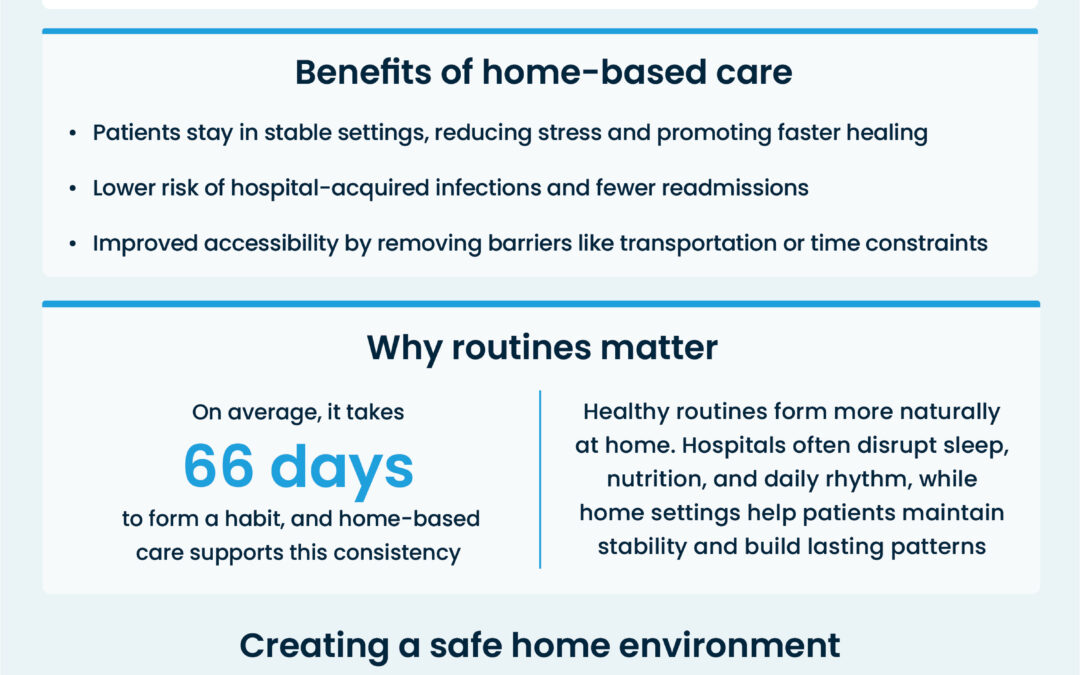
November marks National Care at Home month, a time dedicated to ensuring all patients have access to “high-quality, person-centered healthcare where they call home.”1 Receiving care from the comfort of one’s own home is more than just a convenience, it offers profound...
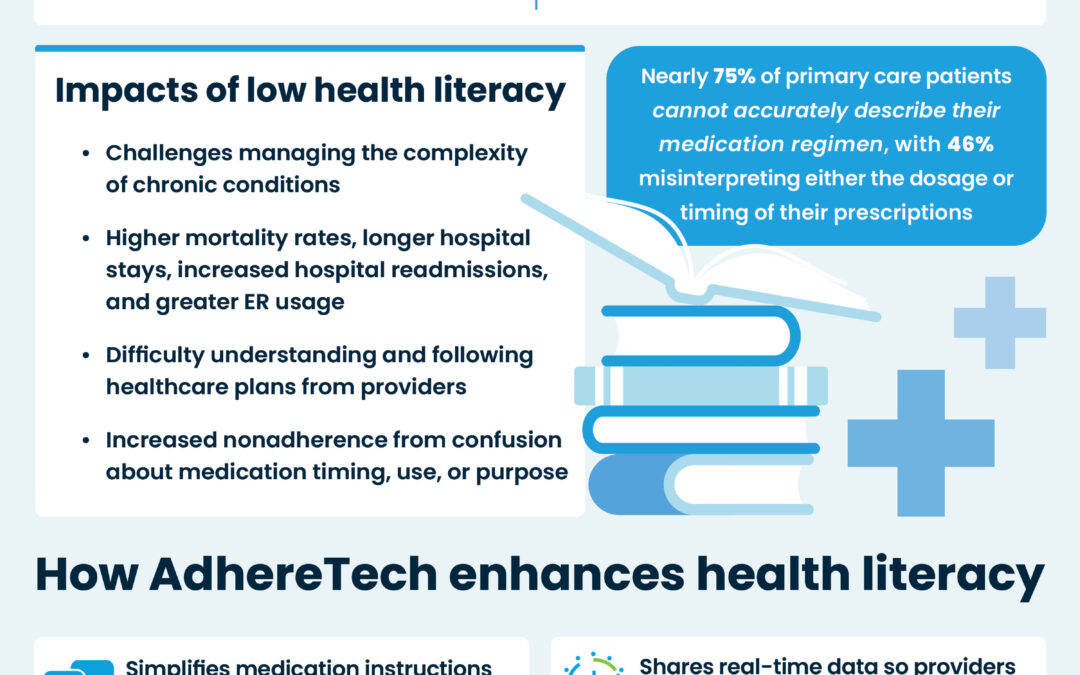
Health Literacy: “The ability to access, understand, evaluate, and use information and services in ways the promote and sustain health and wellness.”1 Personal: Individual’s ability to find, understand, and use information and services to inform decision making...
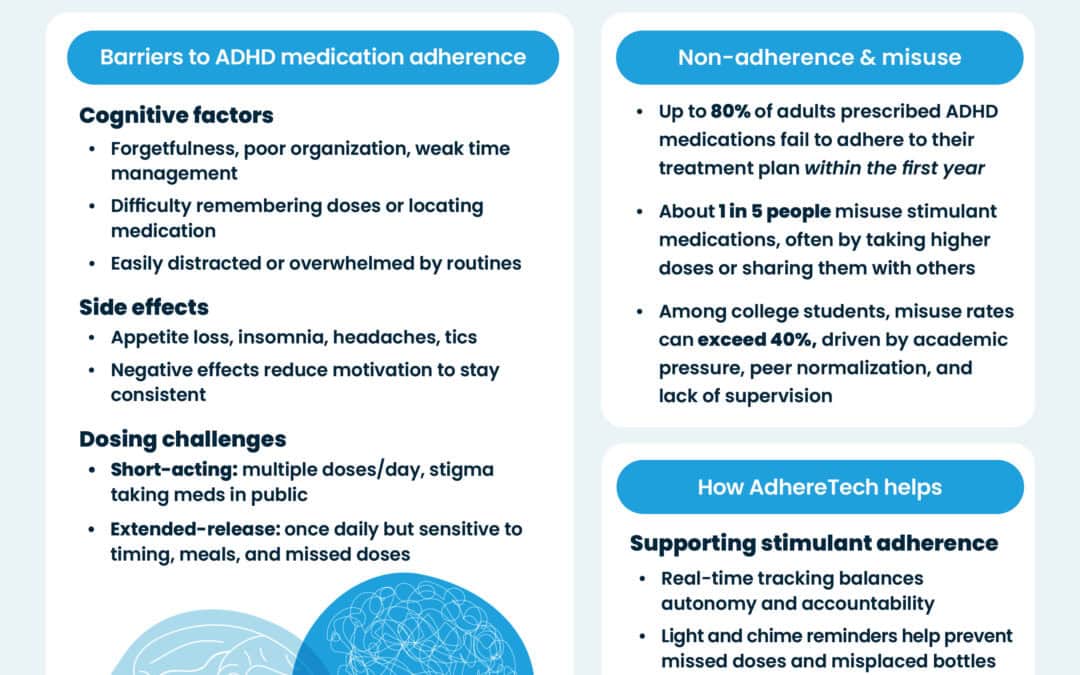
ADHD (Attention Deficit Hyperactivity Disorder) Definition: Mental condition that begins in childhood and often persists into adulthood marked by consistent difficulty in maintaining attention and concentration; frequently accompanied by hyperactivity and...
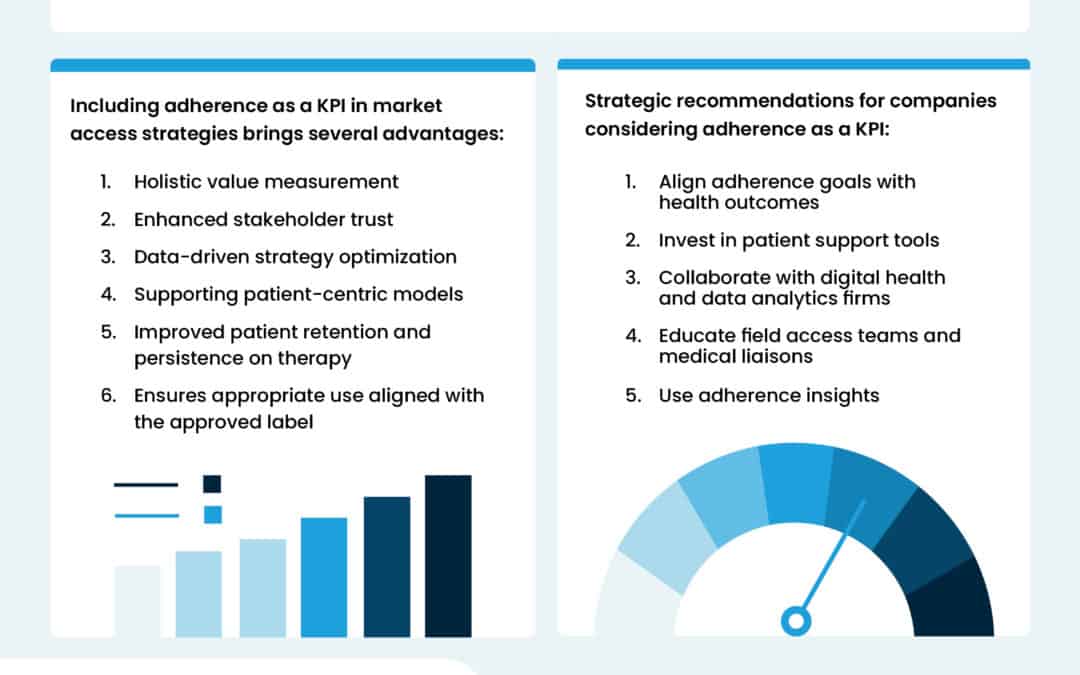
In today’s competitive and outcomes-driven healthcare environment, pharmaceutical companies are under growing pressure to demonstrate not only the efficacy and safety of their products in each phase of a clinical trial, but also their real-world value. Market access...
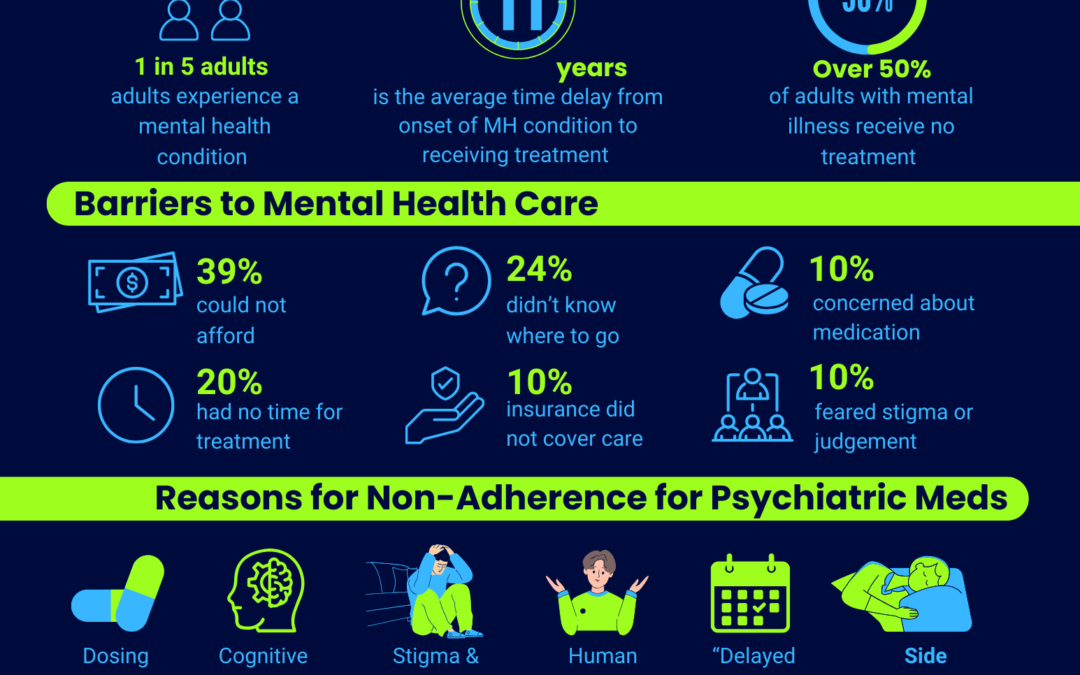
In the United States, every one in five adults experiences a mental illness.1 Prevalence of Mental Disorders:1 19.1% of Americans are diagnosed with an anxiety disorder(s). 8.3% of Americans experience a major depressive episode(s). 3.6% of Americans are diagnosed...